

Last Updated: May 2026 | Reading Time: ~10 minutes
Getting hit with a debt lawsuit is genuinely one of the more stressful things that can happen to you. One day you’re going through your mail, and suddenly there’s a court summons sitting in your hand with a response deadline printed on it.
Most people have no idea what to do at that point. Hiring a lawyer sounds expensive. Ignoring it is even worse. If you don’t respond in time, the court can issue a default judgment against you automatically, which means the creditor wins without even proving their case. From there, they can garnish your wages or freeze your bank account.
That’s exactly the problem SoloSuit was built to solve.
If you’ve been reading SoloSuit reviews online and can’t figure out what’s real and what’s marketing fluff, this breakdown should help. In this SoloSuit review, we’ll cover how it works, what it costs, whether it’s actually legit, and whether it makes sense for your situation. We’ve also included an honest personal experience section at the end so you know what to expect before signing up.
Quick take: SoloSuit is a legal-tech platform that helps regular people respond to debt lawsuits without hiring a full-priced attorney. It’s not perfect, but for a lot of people in a tough spot, it’s one of the most practical options out there.
What Is SoloSuit?
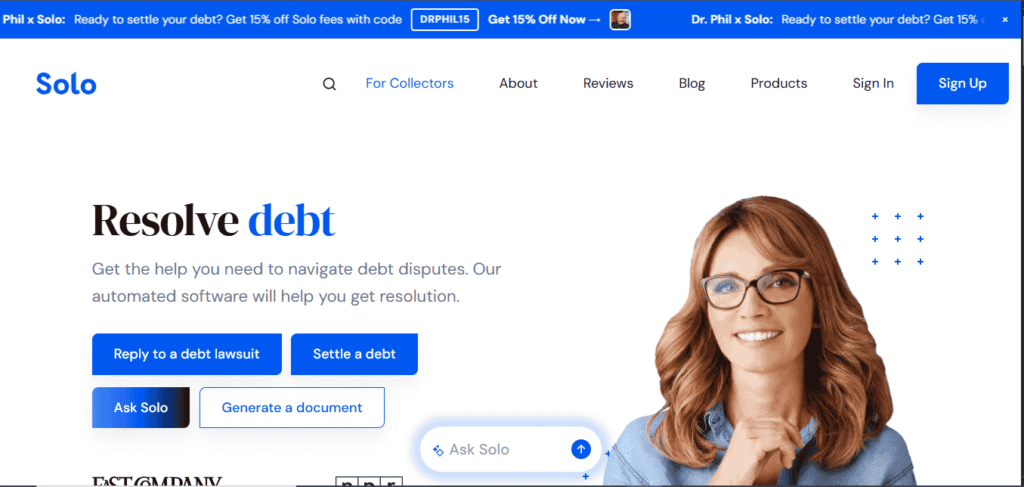
SoloSuit (officially rebranded as Solo now, though most people still call it SoloSuit) is a U.S.-based legal technology company. It helps people who’ve been sued for debt respond to that lawsuit properly, without needing to hire a lawyer.
To be clear: it doesn’t replace a lawyer. Think of it more like TurboTax for debt lawsuits. You put in the information, it handles the formatting and paperwork, and you get a legally structured document you can actually file.
The platform has two main tools:
- SoloSuit — helps you draft and file a formal “Answer” to a debt lawsuit
- SoloSettle — helps you negotiate a settlement directly with debt collectors, without picking up the phone
According to the company’s own numbers, Solo has helped over 330,000 people handle more than $2.26 billion in debt. Those figures are self-reported, so there’s no independent audit to verify them. Still, the scale is hard to ignore, and the platform has been covered by NPR and FastCompany, which adds some credibility.
SoloSuit works in all 50 U.S. states and has been accredited by the Better Business Bureau since February 2025.
How SoloSuit Works (Step-by-Step)
The process is designed to be simple, even if the situation you’re in isn’t. Here’s what it looks like from start to finish.
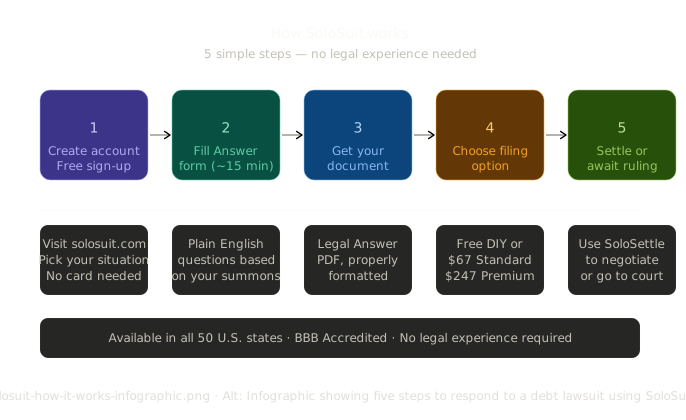
Step 1: Create your account Go to solosuit.com and sign up for free. You’ll be asked right away whether you’ve received a court summons or whether you’re looking to settle a debt before it goes to court.
Step 2: Fill Out the SoloSuit Answer Form This is the core of the product. The SoloSuit answer form is essentially a guided questionnaire built around your actual court documents, your summons and complaint. No legal jargon. No confusing forms. The questions are written for people who have never dealt with a lawsuit before, which most of us haven’t.
Step 3: Get your Answer document Once you finish the questionnaire, SoloSuit generates your legal Answer document. This usually takes about 15 minutes. You can download it as a PDF. This is the formal response you need to file with the court to avoid that default judgment.
Step 4: Decide how to file Here’s where the different pricing tiers kick in. You can file the document yourself for free (you print it, sign it, mail it). Or you can pay for the Standard package and have SoloSuit handle the filing. The Premium package adds an attorney review before anything gets filed. More on pricing below.
Step 5 (optional): Use SoloSettle to negotiate If you’d rather settle the debt and avoid court entirely, SoloSettle lets you make an offer to the debt collector through the platform. No direct phone calls, no pressure tactics. Everything is handled in writing, which also gives you a paper trail.
Key Features Worth Knowing About
Guided Answer Form
This is what SoloSuit is known for. Instead of trying to figure out court filing formats on your own (which can get confusing fast), you answer guided questions and the software builds the document for you. A badly formatted Answer can get rejected or hurt your case, so having a structured tool here matters more than it might seem.
SoloSettle
Negotiating with debt collectors over the phone is miserable. They’re trained to pressure you, and most people end up agreeing to things they can’t actually afford just to get off the call. SoloSettle changes that dynamic. You make your offer through the platform, they respond through the platform, and everything is documented. It’s a smarter way to handle it.
Attorney Review (Premium Tier)
If you go with the Premium package, a licensed attorney will review your Answer before it gets filed. That extra set of eyes can catch things you might miss. It’s not a guarantee of a perfect result (we’ll get into this in the cons), but it does add a meaningful layer of protection.
Court Filing Service
SoloSuit will handle the actual filing for you, including calculating the correct court fee and submitting payment. If you’ve never dealt with your local court’s filing process before, this alone can save a lot of frustration.
Debt Validation Letter Generator
If a collector is calling you but hasn’t filed a lawsuit yet, SoloSuit can help you send a debt validation letter. Under the Fair Debt Collection Practices Act (FDCPA), collectors are required to verify the debt before continuing collection efforts once you request it. This tool helps you do that in writing.
Legal Education Resources
The platform has a solid library of guides covering state-specific laws, deadlines, and debt collection rights. Even if you decide not to pay for anything, these resources are worth reading.
Pros and Cons: The Honest Version
What Works Well
It’s built for non-lawyers. The whole interface is designed around the assumption that you have zero legal experience. That’s actually rare. Most legal tools feel like they were made for paralegals.
It’s significantly cheaper than an attorney. Hiring a lawyer just to respond to a debt lawsuit typically runs $1,500 to $5,000 or more. SoloSuit’s paid plans start at $67. That’s a real difference for someone already dealing with financial stress.
It’s fast. Your Answer document is usually ready within 15 minutes of finishing the questionnaire. When you’re working against a response deadline, that matters.
SoloSettle removes a lot of the anxiety. Not having to talk to a debt collector directly is underrated. Most people dread those calls, and avoiding them while still negotiating effectively is genuinely useful.
They fix their mistakes. Looking at BBB complaint responses, SoloSuit generally steps up when something goes wrong, including covering unexpected fees that weren’t their fault. That’s not nothing.
What Could Be Better
It’s not a law firm. SoloSuit is upfront about this, but it’s worth emphasizing. If your case is complicated or the debt is disputed, a real attorney is still your best option. SoloSuit can’t give you legal advice or represent you in court.
The attorney review has had misses. Some BBB complaints document cases where even the Premium attorney review missed something basic, like an incorrect venue filing. That’s a real limitation, not just a disclaimer.
Email-only support. If you have an urgent question and a court deadline in two days, waiting for an email response is stressful. Phone support isn’t really available.
Filing errors happen. There are documented cases of documents sent to wrong court addresses, or checks expiring before courts processed them. To SoloSuit’s credit, they’ve covered costs in these situations, but the errors add stress you don’t need.
SoloSettle’s 19% fee can add up. On a $10,000 debt, that fee is $1,900 on top of whatever you settle for. It’s still often cheaper than other options, but worth factoring in upfront.
SoloSuit Pricing: What You’ll Actually Pay
One of the first things people want to know is how much does SoloSuit cost. Here’s the full breakdown. Pricing is split between the two products.
For Responding to a Lawsuit
| Plan | Price | What’s Included |
|---|---|---|
| Free (DIY) | $0 | Answer document generated; you file it yourself |
| Standard | ~$67 | SoloSuit prepares and files the Answer for you |
| Premium | ~$247 | Everything in Standard, plus attorney review before filing |
Court filing fees are separate and vary by state and jurisdiction. SoloSuit calculates and includes these when filing on your behalf.
For Debt Settlement (SoloSettle)
Free to start. You only pay once a settlement is reached. The fee is up to 19% of the original face value of the debt.
Here’s a concrete example from SoloSuit’s own site: if you owe $10,000 and settle for $7,000, you’d pay a $1,900 SoloSettle fee on settlement. Your total out-of-pocket would be $8,900, but you’d have resolved a $10,000 debt and avoided a judgment.
The company says debts settle at about 71% of face value on average. Even after the fee, most people come out ahead compared to paying the full amount or losing in court.
These prices are based on publicly available information as of May 2026. Check solosuit.com directly for the most current figures before purchasing.
SoloSuit Promo Codes and Discounts: What’s Available Right Now?
Look, when you’re already dealing with a debt lawsuit, every dollar counts. The good news is SoloSuit does offer some discounts that can bring the cost down meaningfully. Here’s what we found.
Where to Find the Latest Codes
Promo codes expire, and nothing’s worse than finding out mid-checkout that the code you planned on using is dead. We maintain an updated list of working SoloSuit coupon codes on our dedicated coupons page, so you can see what’s actually active before you commit.
Check the latest SoloSuit coupon codes here
Quick tip: even if a code looks old, try it. SoloSuit sometimes keeps older promos running quietly without advertising them.
Is SoloSuit Legit or a Scam?
The most common question people ask before signing up is: is SoloSuit legit? Straight answer: yes, it is.
Here’s what backs that up. SoloSuit BBB reviews show an accredited business with mostly positive responses and a clear pattern of resolving complaints. It’s been featured in NPR and FastCompany, not exactly outlets that spotlight scams. Thousands of real reviews exist across Trustpilot, ConsumerAffairs, and the LawNext directory, and the majority are positive. The pricing and service terms are clearly disclosed upfront. And the company openly states they are not a law firm, which is the legally required and honest thing to say.
We also looked at SoloSuit complaints on the BBB and Trustpilot. They exist, mainly around filing errors and slow email support. But what’s consistent is that SoloSuit tries to fix problems when they come up, including covering unexpected costs. A company that quietly pockets your money and disappears is a scam. SoloSuit isn’t that.
A Real-World Example
Say you’re a teacher in Dallas who gets served with a lawsuit from a debt collection agency claiming you owe $3,800 on an old credit card. You have 20 days to respond. A lawyer consultation alone would probably run you $200 to $300, and full representation would cost far more than the debt itself.
You find SoloSuit, create a free account, and spend about 20 minutes answering questions based on your summons. You go with the Premium package at $247 so an attorney looks it over before it’s filed.
SoloSuit files the Answer. The debt collector, now seeing you’ve actually responded and have some support behind you, reaches out to negotiate. You use SoloSettle to offer $1,800. After a couple of rounds, you settle at $2,400.
Your total cost: $247 for SoloSuit plus roughly $456 in SoloSettle fees (19% of $2,400). Total paid: about $2,100 to resolve a $3,800 debt, with no default judgment on your record.
That’s a realistic scenario, not a guarantee. Results vary depending on the collector, the debt, and your state. But it shows where SoloSuit provides genuine value.
SoloSuit Alternatives: How Does It Compare?
| Option | Typical Cost | Best For |
|---|---|---|
| SoloSuit | $0 to $247 + settlement fees | Simple debt lawsuits, tight budgets |
| Hire a debt attorney | $1,500 to $5,000+ | Disputed debts, large amounts, complex cases |
| DIY with no tools | Court filing fees only | If you already understand legal filings |
| Debt settlement companies | 15% to 25% of enrolled debt | Multiple debts needing full management |
| Legal aid organizations | Free | If you qualify based on income |
For most people dealing with a straightforward debt lawsuit under $10,000, SoloSuit is the most cost-effective middle ground. If the debt is disputed, the amount is large, or something about the case feels complicated, it’s worth at least consulting a real attorney before relying solely on a software platform.
Related: Learn about your rights under the FDCPA at the FTC’s official resource page. Understanding what debt collectors can and can’t do legally is worth your time.
Who Should Use SoloSuit?
It’s a good fit if you’ve received a court summons and need to respond fast, can’t afford an attorney or the debt doesn’t justify that cost, want to negotiate a settlement without speaking to collectors directly, are dealing with unsecured debt like credit cards, medical bills, or personal loans, and are comfortable using a web-based platform and following digital prompts.
Who Should Skip It?
SoloSuit probably isn’t the right tool if the debt is genuinely disputed and you believe you don’t owe it (an attorney can challenge this more aggressively), the debt amount is large enough that attorney fees would be justified, you’re dealing with a mortgage, car loan, or other secured debt, you need someone to actually represent you in a courtroom, or you’re exploring bankruptcy as an option.
Final Verdict
SoloSuit exists because the legal system was not designed with regular people in mind. Attorneys are expensive. Court paperwork is confusing. Deadlines are short. Most people facing a debt lawsuit feel completely lost.
For that specific situation, SoloSuit does a genuinely good job. It’s affordable, it’s fast, and it’s clear. It won’t win every case and it’s not a replacement for real legal counsel when things get complicated. But it gives people a real fighting chance when they’d otherwise have none.
So is SoloSuit worth it? For most people dealing with a debt lawsuit under $10,000, the answer is yes. It’s affordable, fast, and built for people with zero legal experience.
Our rating: 4.1 out of 5. Recommended for straightforward debt lawsuit responses, especially the Premium tier if you can budget for it. For complicated or disputed cases, use it as a starting point but consider pairing it with a legal consultation.
Frequently Asked Questions
Is SoloSuit legit? Yes. It’s a real, BBB-accredited company that has served hundreds of thousands of users. It’s not a law firm, and it doesn’t claim to be, but the platform and the services it offers are genuine.
How much does SoloSuit cost? The free version generates your Answer document and lets you file it yourself. The Standard plan is around $67 and includes filing on your behalf. Premium is around $247 and adds attorney review. For SoloSettle, the fee is up to 19% of the original debt, paid only after a settlement is agreed upon. Always verify current pricing on their site before purchasing.
Can SoloSuit make my debt disappear? No, and be cautious of anything that claims to. SoloSuit helps you respond to a lawsuit and negotiate a lower settlement. It doesn’t erase debt. What it can do is prevent a default judgment and give you a structured path to resolution.
What happens if I don’t respond to a debt lawsuit? The creditor can request a default judgment, which means they win automatically. From there, they may be able to garnish your wages, levy your bank account, or place a lien on your property. Even an imperfect response is almost always better than no response.
Does it work in my state? Yes, SoloSuit is available in all 50 states. That said, deadlines and legal requirements vary by state, so pay attention to the state-specific guidance the platform provides.
Is SoloSuit a law firm? No. It’s a legal technology company. It prepares documents and connects you with attorneys for review in the Premium tier, but it doesn’t provide legal advice and won’t represent you in court. That distinction matters.
Does SoloSuit actually work? For most straightforward debt lawsuits, yes. The platform has helped hundreds of thousands of people file proper responses and avoid default judgments. It works best when the debt is undisputed and you need an affordable way to respond quickly. For highly complex or disputed cases, pairing it with a legal consultation is smarter.
What do SoloSuit reviews say overall? Most SoloSuit reviews are positive, especially from people who used it to avoid a default judgment or negotiate a lower settlement. Common praise includes how easy the process is and how fast the document is generated. The main criticisms are around email-only support and occasional filing errors, both of which the company generally addresses.
Personal Experience
We spent time exploring SoloSuit from the perspective of someone who just received a debt lawsuit summons and had no idea what to do next.
The first thing that stood out was how unintimidating the onboarding is. You sign up, pick your situation, and within a couple of minutes you’re already answering questions. The questionnaire asks you to reference specific sections of your summons, which sounds daunting until you realize it’s basically just asking you to read and copy information you already have in your hand.
There’s no point in the process where you’re expected to know legal terminology or interpret anything yourself. The platform does that translation for you.
The generated Answer document looked exactly like what you’d expect from a professionally formatted court filing, with proper case captions, numbered paragraphs, and clear defenses listed. Seeing it appear in under 20 minutes was honestly a little surprising. For someone who’d been dreading this process, that moment of “okay, I have something real to work with” is genuinely reassuring.
SoloSettle felt equally straightforward. The interface shows you clearly where you are in the negotiation, what’s been sent, and what’s been responded to. The idea of handling it all in writing rather than over the phone is smart. Written records are protective, and removing the pressure of a live call with a trained collector is a real benefit.
The one area where the experience felt lacking was support. The knowledge base is good and covers a lot of ground. But if you’re staring at a deadline and have a specific question about your case, waiting for an email response is stressful in a way that a chat option or phone line would solve. That’s probably the platform’s most meaningful gap.
Overall, SoloSuit feels like it was built by people who actually thought about what it’s like to face this situation without legal experience or a lot of money. It’s not trying to be everything. It’s trying to solve one specific, urgent problem, and it does that reasonably well.
This article is for informational purposes only and does not constitute legal advice. If you are facing a debt lawsuit, consider consulting a licensed attorney in your state for guidance specific to your situation. Pricing and feature information is based on publicly available data as of May 2026 and may have changed.